
Tarangire National Park is one of Tanzania’s hidden gems, located in the northern safari circuit. Known for its iconic baobab trees, massive elephant herds, and rich wildlife diversity, Tarangire offers a more intimate safari experience compared to the larger parks. Here is everything you need to know about Tarangire National Park:
Location and Size
Location: Tarangire National Park lies about 118 kilometers (approximately 2 hours’ drive) southwest of Arusha, making it easily accessible for safari travelers starting their journey through northern Tanzania.
Size: The park covers an area of approximately 2,850 square kilometers (1,100 square miles), making it the sixth-largest national park in Tanzania.
History and Establishment
Founded: Tarangire National Park was established in 1970.
Historical Significance: Named after the Tarangire River that winds through the park, Tarangire has long been an important water source for wildlife, especially during the dry season when it becomes a lifeline for many species.
Landscape and Terrain
Topography: The park is famous for its classic African landscapes — open grasslands, acacia woodlands, swamps, and towering ancient baobab trees.
Rivers and Water Sources: The Tarangire River is the main water source for the park’s wildlife, attracting large concentrations of animals during the dry season. Seasonal swamps also provide vital habitats.
Climate: Tarangire experiences a tropical climate with distinct wet (November to May) and dry (June to October) seasons. The dry season offers excellent game viewing as animals congregate near the river and waterholes.
Wildlife
Tarangire is celebrated for its incredible wildlife density, especially during the dry season when it rivals even the Serengeti.
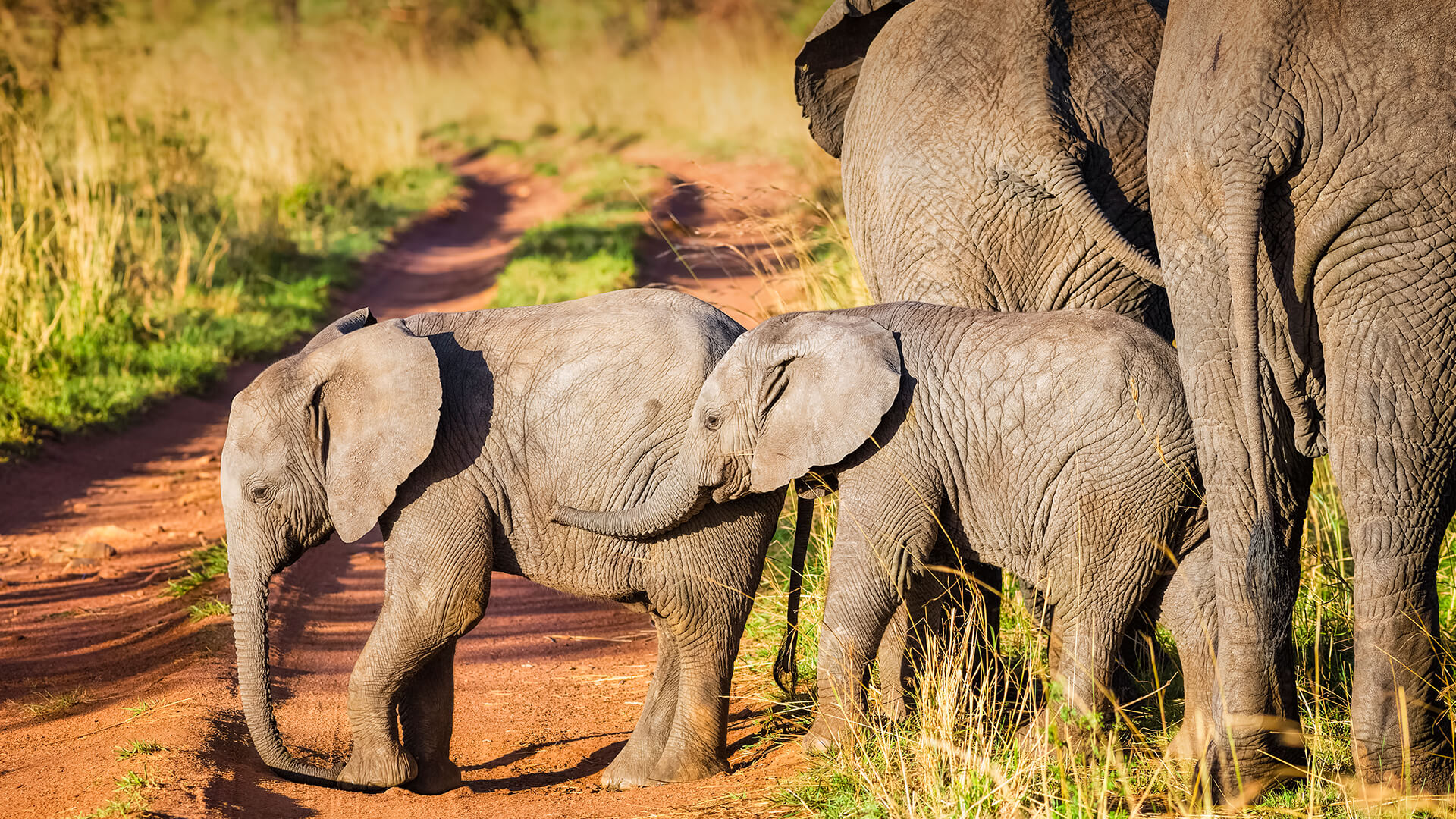
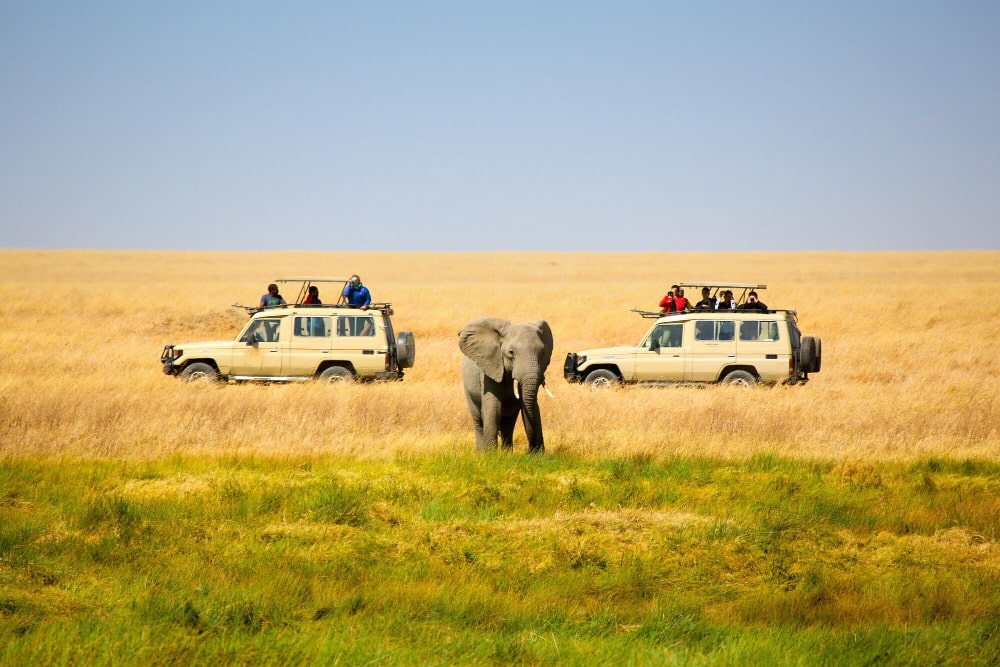
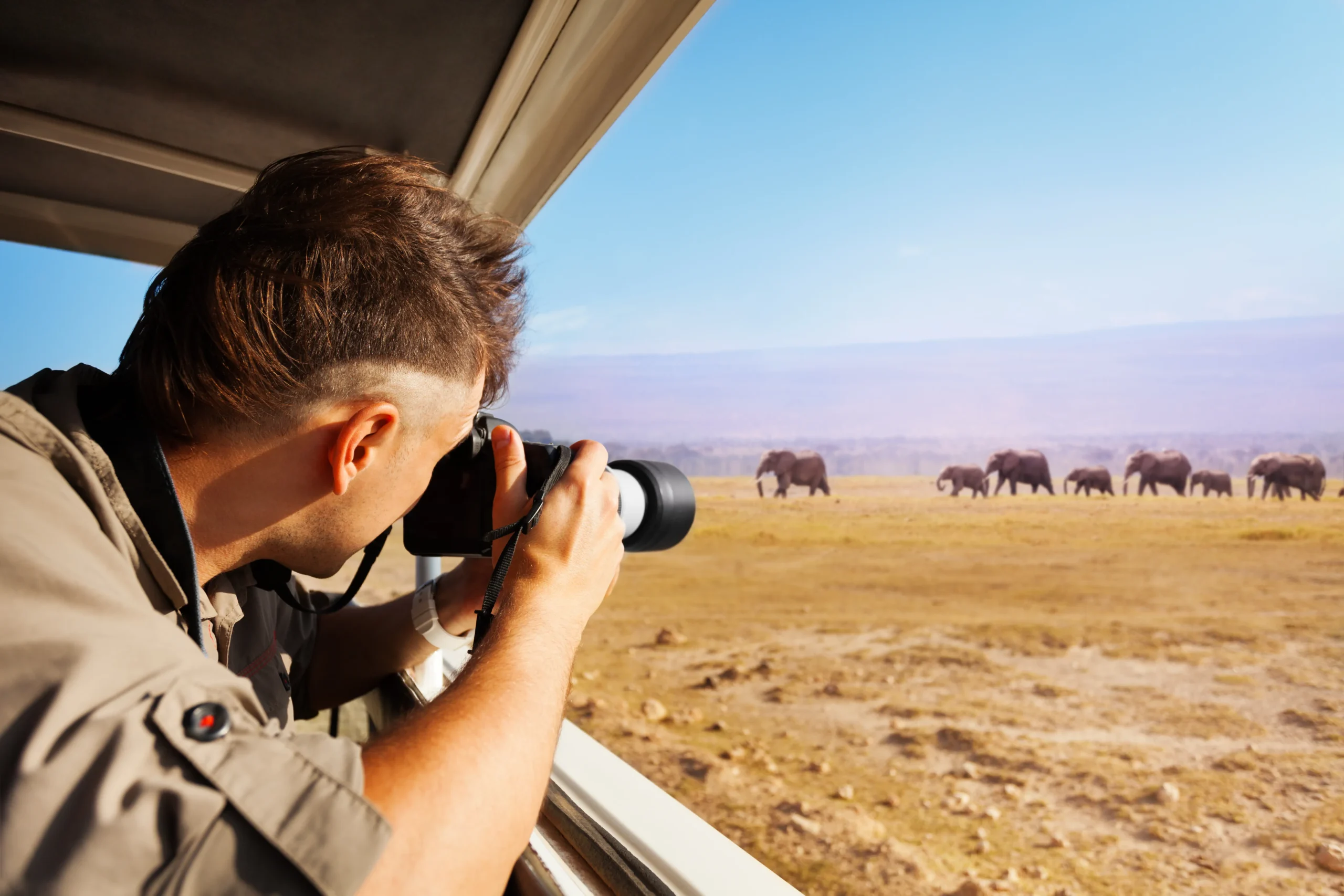
Elephants: The park is famous for its large elephant herds — sometimes numbering up to 300 individuals — one of the largest concentrations in East Africa.
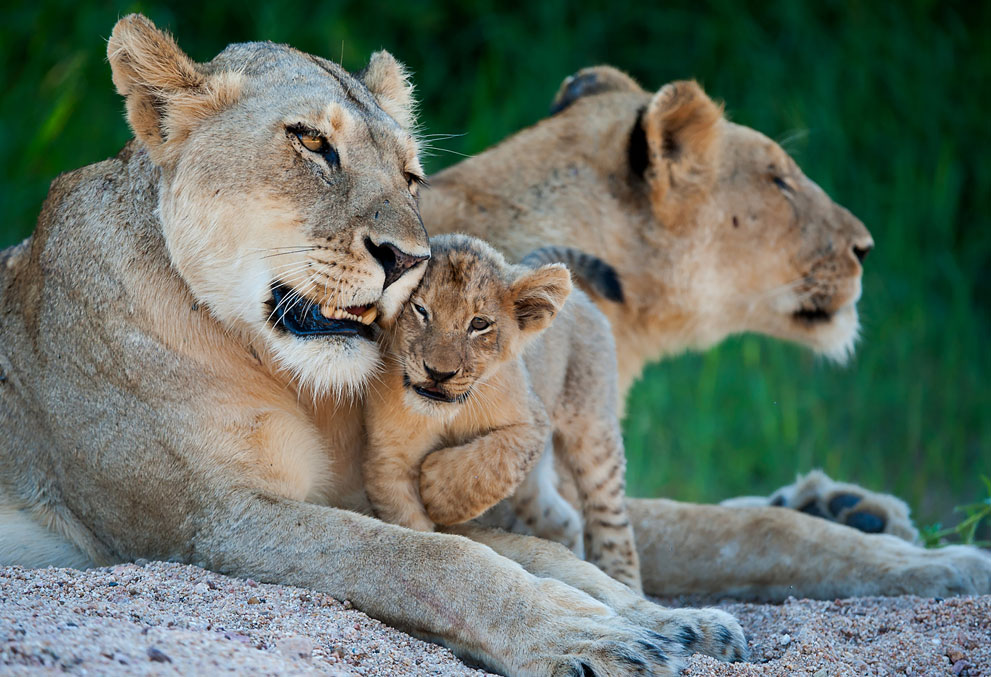
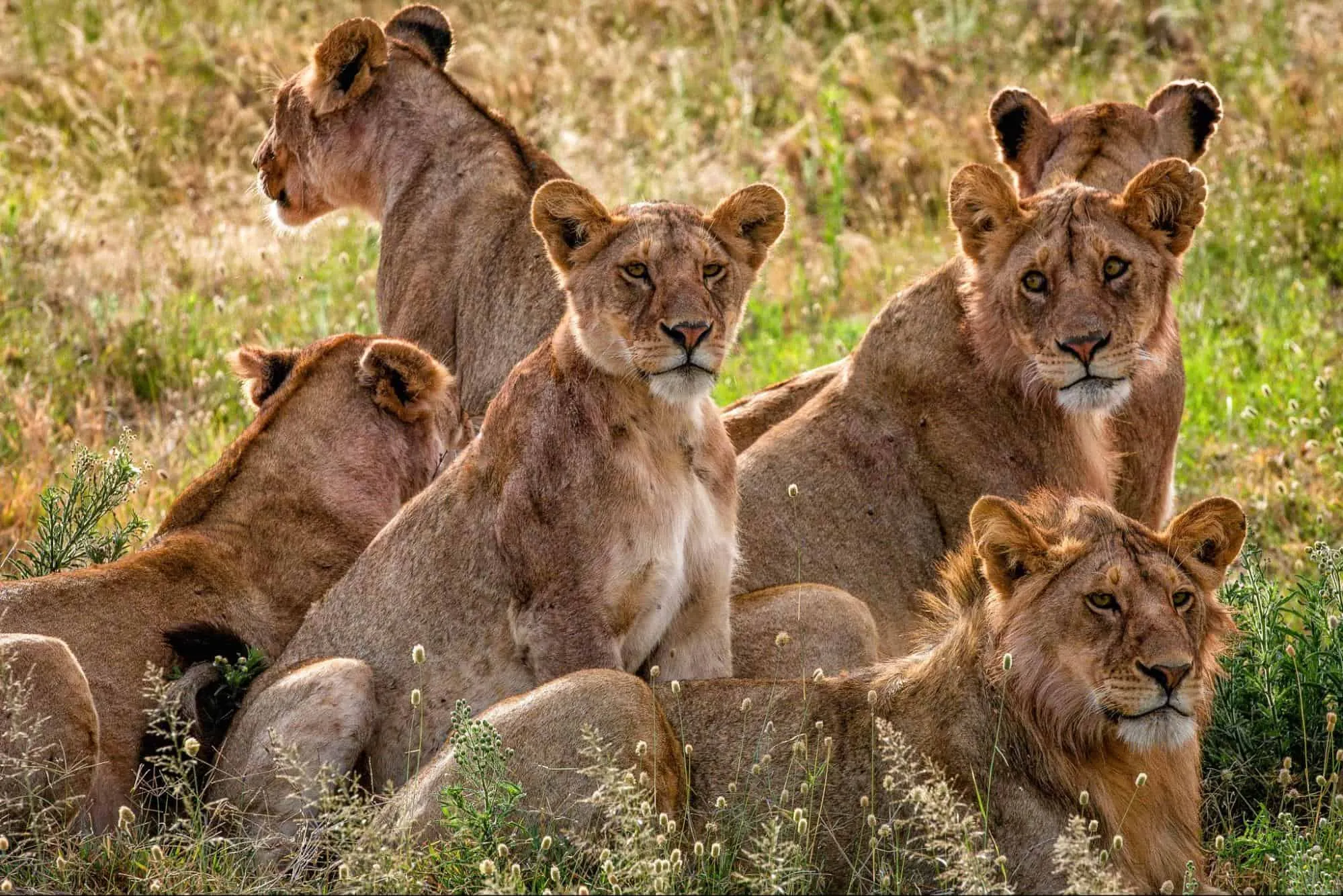
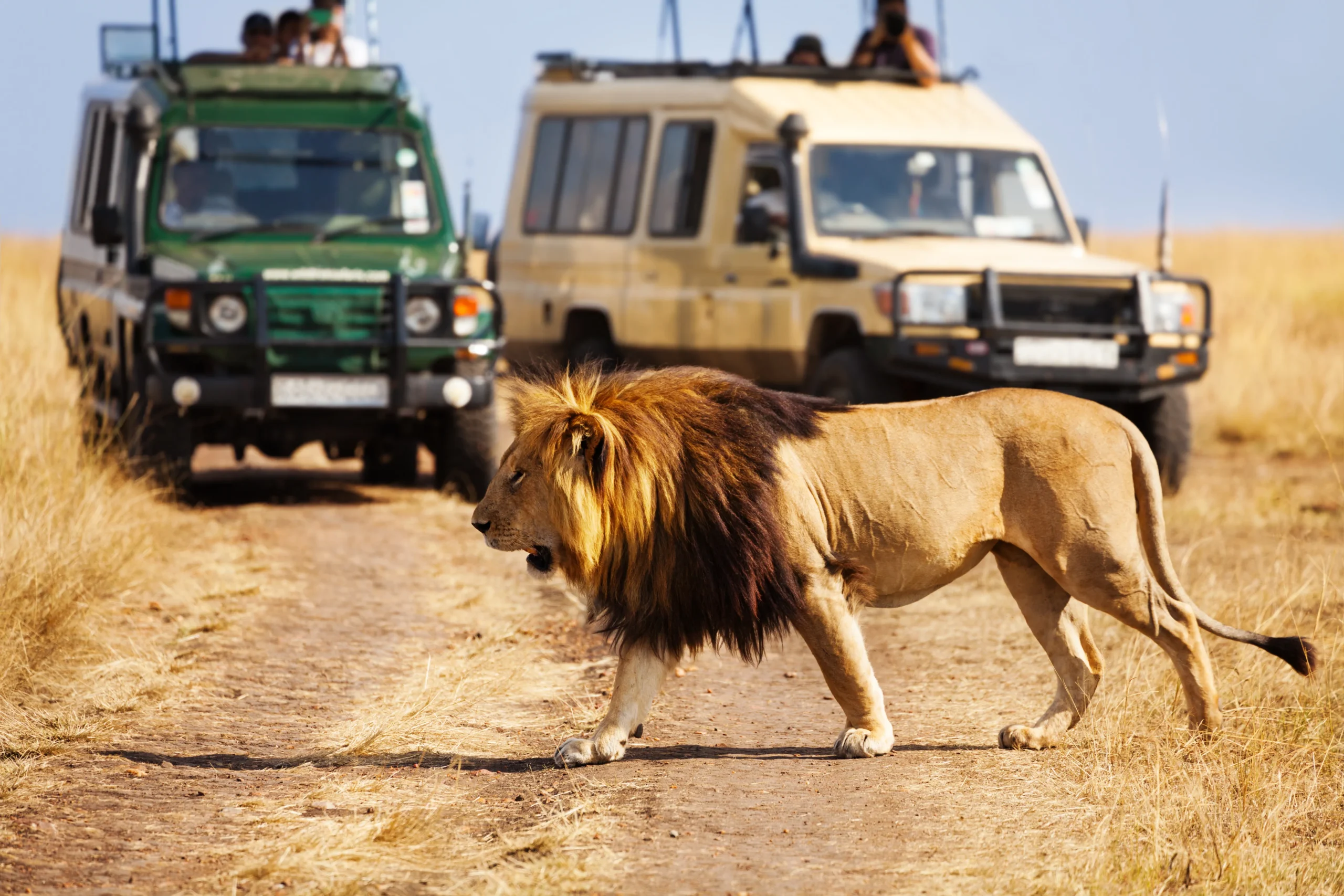
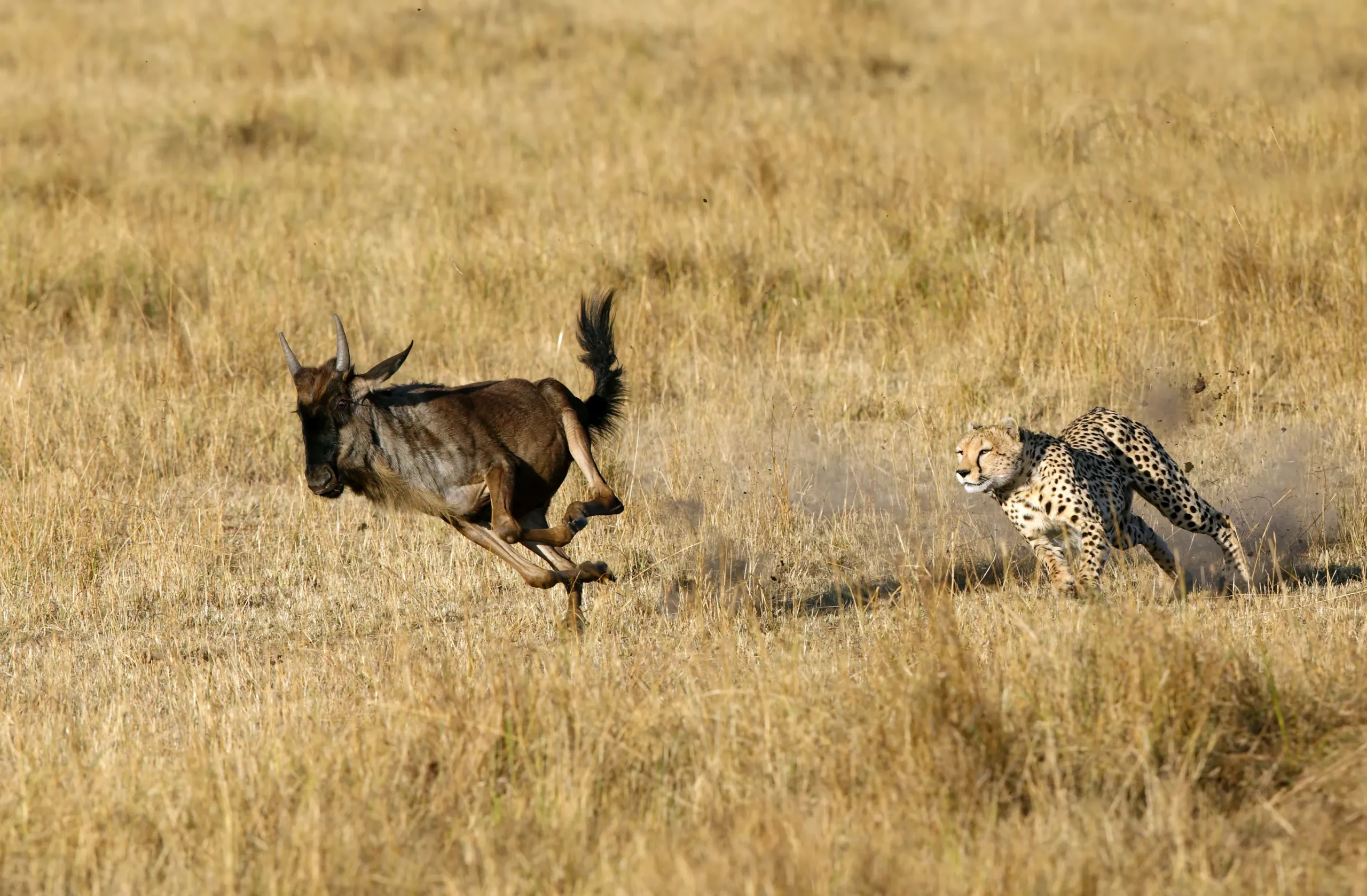
Big Cats: Lions are frequently seen lounging under acacia trees, and cheetahs and leopards are also present, although slightly harder to spot.
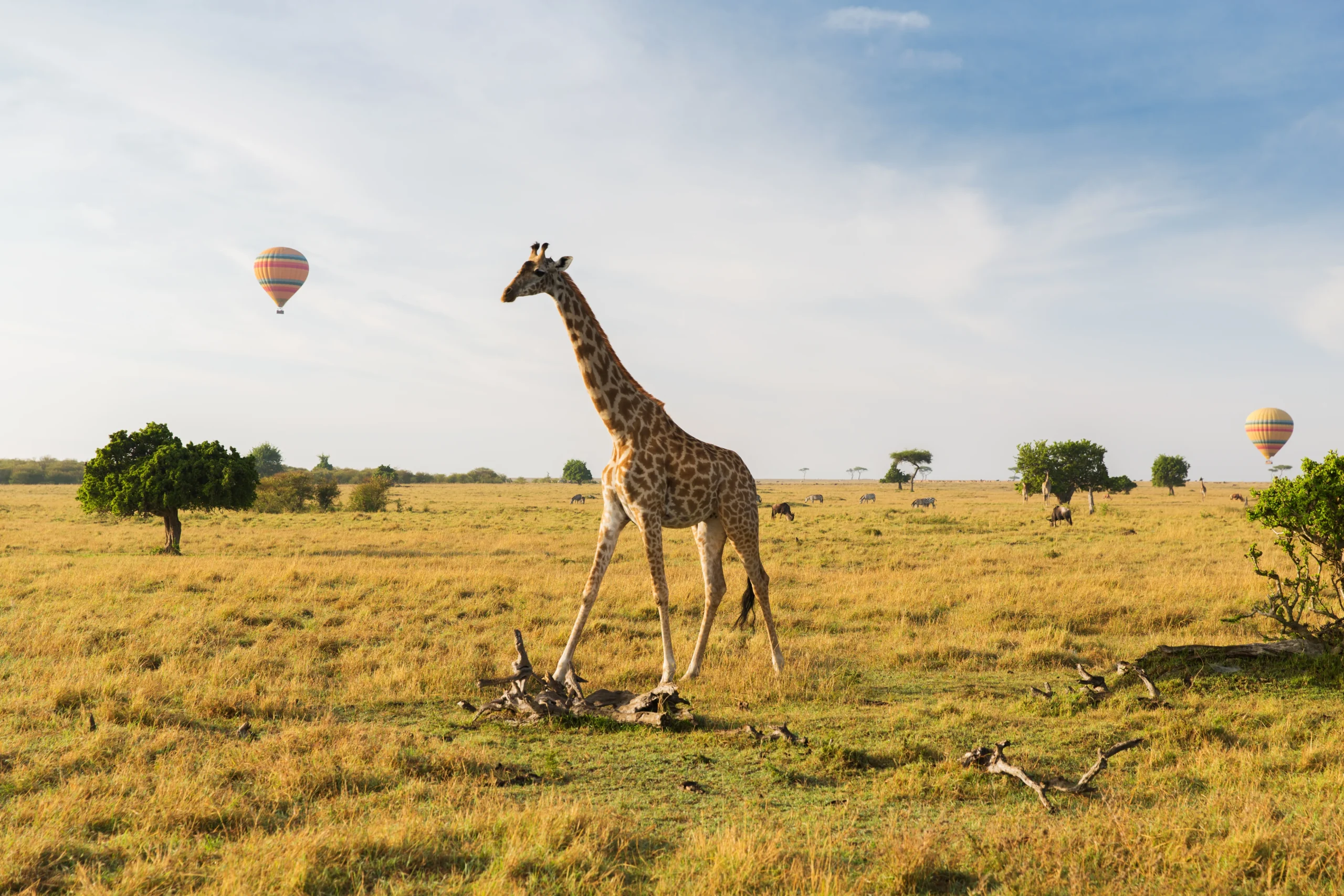
Other Wildlife: Visitors can see buffaloes, zebras, wildebeests, giraffes, impalas, elands, and hartebeests, among many others.
Rare Species: Tarangire is one of the few places where you might spot unique animals like the fringe-eared oryx and the long-necked gerenuk.
Birdlife: With over 500 species recorded, Tarangire is a birdwatcher’s paradise. Highlights include the yellow-collared lovebird, ashy starling, and the Kori bustard — the world’s heaviest flying bird.
Attractions
Baobab Trees: The park’s iconic baobabs create dramatic scenery, especially during sunrise and sunset. These ancient trees are also vital for the ecosystem, providing food and shelter for many species.
Tarangire River: Especially vital during the dry season, the river acts as a magnet for wildlife, offering outstanding opportunities for game viewing.
Swamps and Silale Swamp Area: These lush, green areas are important for birdlife and are hotspots for spotting herds of elephants and buffalo.
Poacher’s Hide: A fascinating old baobab tree that once served as a hiding place for poachers — you can actually climb inside!
Activities
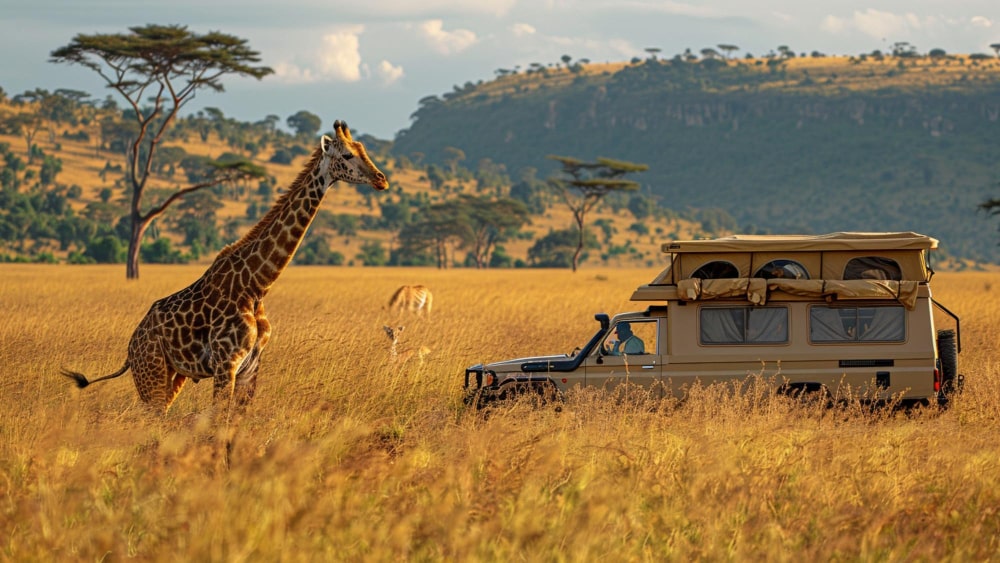
Game Drives: The main activity in Tarangire, offering both half-day and full-day excursions. The dry season (June to October) is particularly rewarding for wildlife sightings.
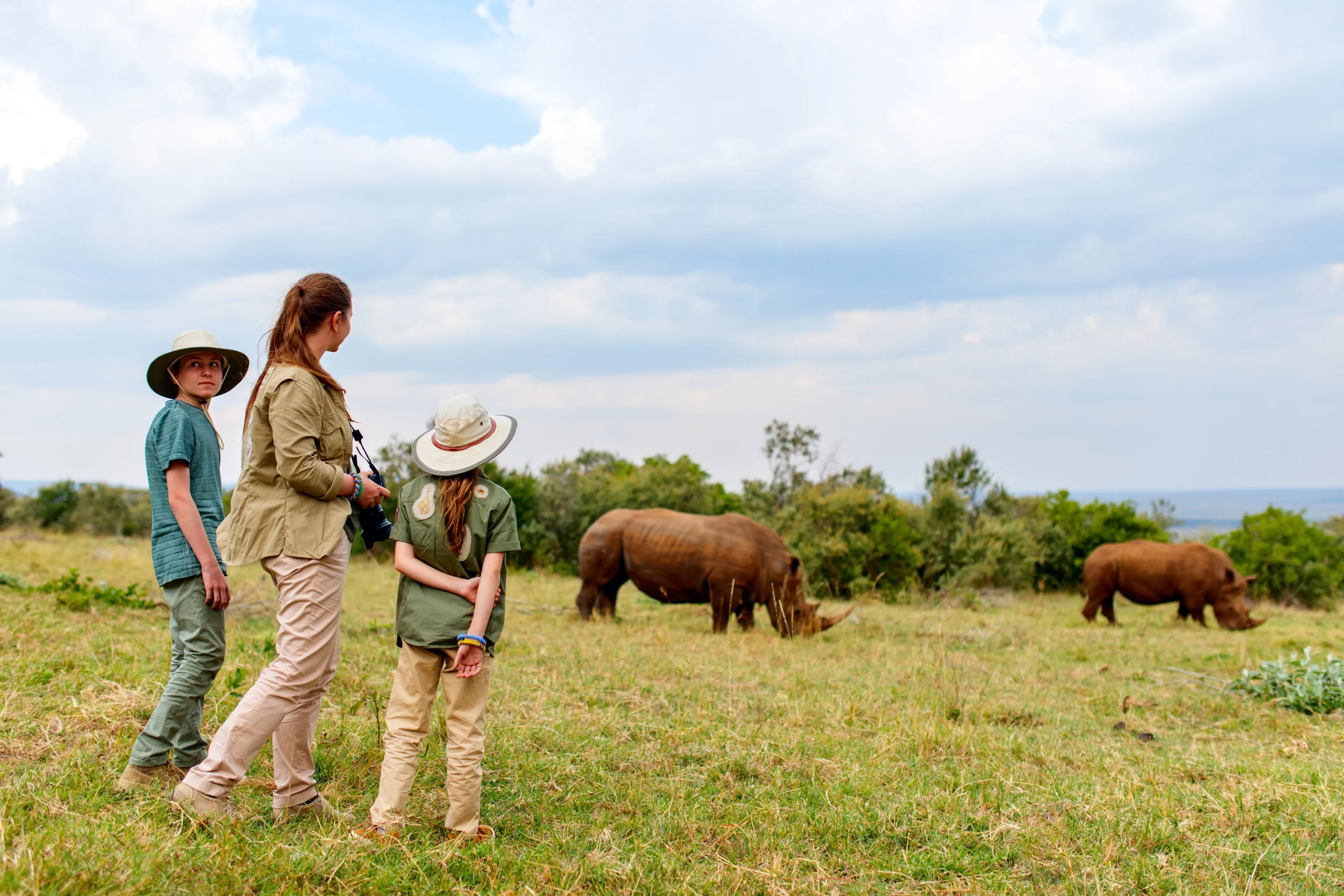
Walking Safaris: Some camps and lodges offer guided walking safaris outside the park boundaries, allowing visitors to experience the bush up close and personal.
Bird Watching: Tarangire is an excellent place for bird enthusiasts, especially around wetlands and swamps.
Photography: With its breathtaking landscapes, diverse wildlife, and vibrant sunsets, Tarangire is a dream destination for photographers.
Accommodation
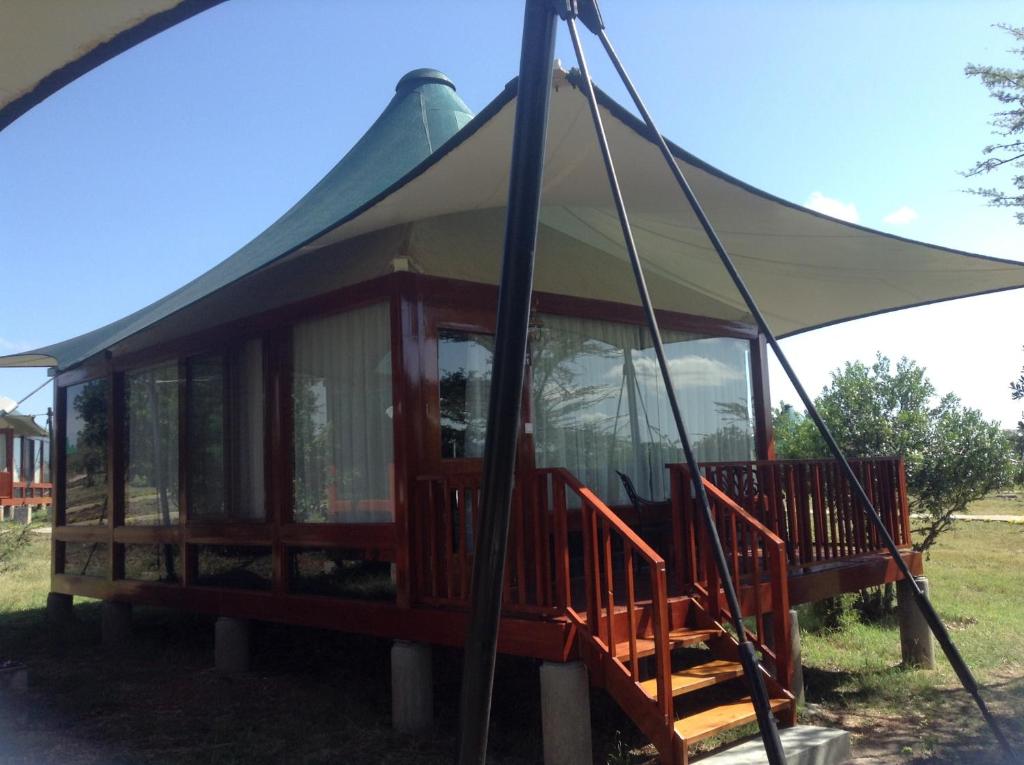
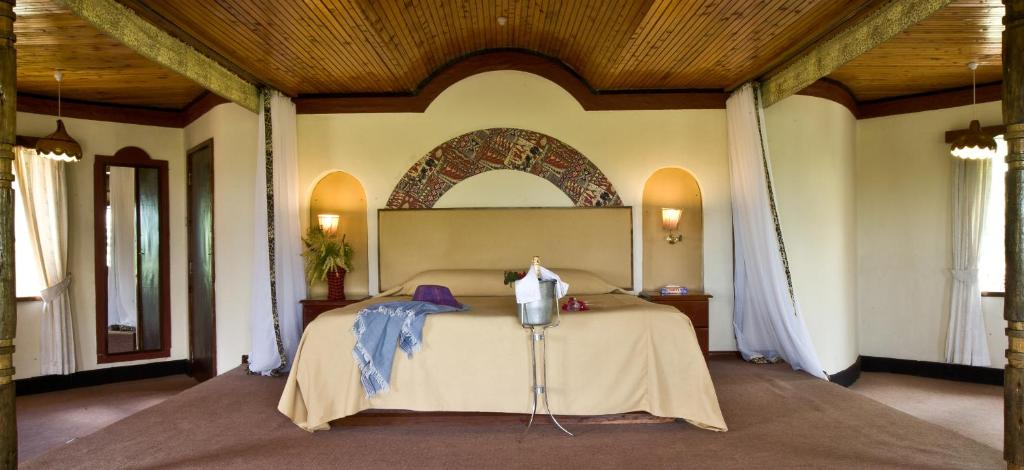
Luxury Lodges & Camps: Tarangire offers a range of luxurious accommodations, often located in prime wildlife areas. Some popular choices include:
- Tarangire Treetops
- Sanctuary Swala Camp
- Lemala Mpingo Ridge Lodge
Mid-Range Lodges and Camps: For those seeking comfort at a more affordable price: - Tarangire Safari Lodge
- Sangaiwe Tented Lodge
- Balloon Camp Tarangire
Public Campsites: For adventurous travelers, there are designated camping areas both inside and just outside the park.
How to Get There
By Road: Tarangire is easily accessible by car from Arusha, with a drive time of approximately 2 hours. The roads are generally in good condition.
By Air: There are scheduled flights from Arusha, Serengeti, and other destinations to the nearby Kuro Airstrip, followed by a short drive into the park.
Best Time to Visit
Dry Season (June to October): The best time for wildlife viewing, as animals congregate along the Tarangire River and around shrinking water sources.
Wet Season (November to May): The park is lush and beautiful during the wet season, offering excellent birding opportunities, though wildlife can be more dispersed.
Conservation and Challenges
Tarangire faces conservation challenges including habitat encroachment and human-wildlife conflict, especially in areas outside the park. However, through ongoing efforts by Tanzania National Parks Authority (TANAPA) and community-based conservation programs, the park continues to thrive as a haven for wildlife.
Conclusion
Tarangire National Park offers a unique safari experience with its magnificent elephant herds, stunning baobab-studded landscapes, and rich diversity of wildlife and birdlife. For travelers looking for an authentic, less-crowded alternative to Serengeti and Ngorongoro, Tarangire is an unforgettable destination that captures the heart and spirit of the African wilderness.