
Lake Manyara National Park is one of Tanzania’s most picturesque parks, renowned for its stunning scenery, diverse habitats, and incredible birdlife. Though relatively small compared to other parks on the northern circuit, it offers a richly rewarding safari experience. Here is everything you need to know about Lake Manyara National Park:
Location and Size
Location: Lake Manyara National Park is located in northern Tanzania, along the base of the Great Rift Valley escarpment, just 126 kilometers (approximately 2 hours’ drive) west of Arusha.
Size: The park covers about 330 square kilometers (127 square miles), with nearly two-thirds of this area taken up by the shallow, alkaline Lake Manyara itself.
History and Establishment
Founded: Lake Manyara National Park was established in 1960, initially to protect the area’s rich wildlife and the lake ecosystem.
Historical Significance: The park has long been admired for its ecological variety and was praised by naturalist Ernest Hemingway, who described it as “the loveliest [place] I had seen in Africa.”
Landscape and Terrain
Topography: The park features a variety of landscapes within a relatively small area, including lush groundwater forests, open grassy floodplains, hot springs, swamps, and the expansive lake itself.
Rift Valley Escarpment: Towering cliffs rise dramatically above the park, offering stunning views and contributing to the area’s unique ecosystems.
Climate: Lake Manyara has a moderate climate, with two rainy seasons — short rains (November to December) and long rains (March to May). Dry seasons (June to October) provide excellent game viewing.
Wildlife
Despite its small size, Lake Manyara National Park hosts a wide range of animals.
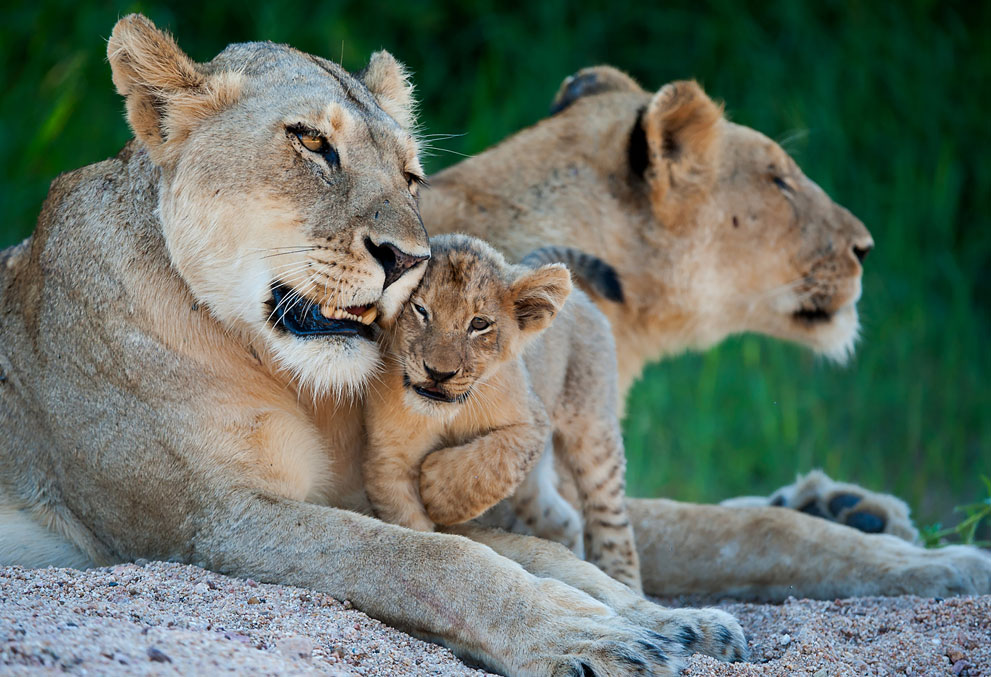
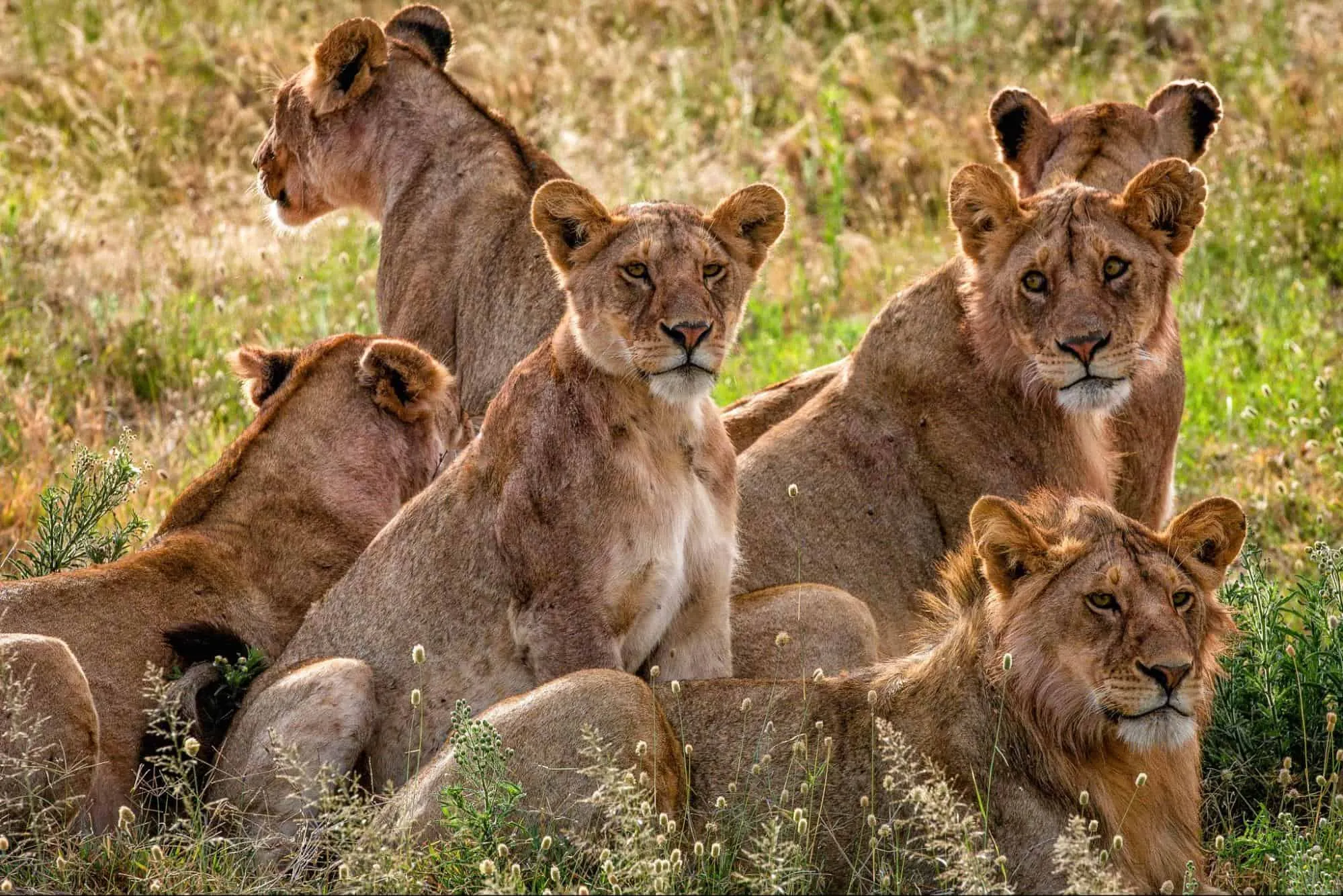
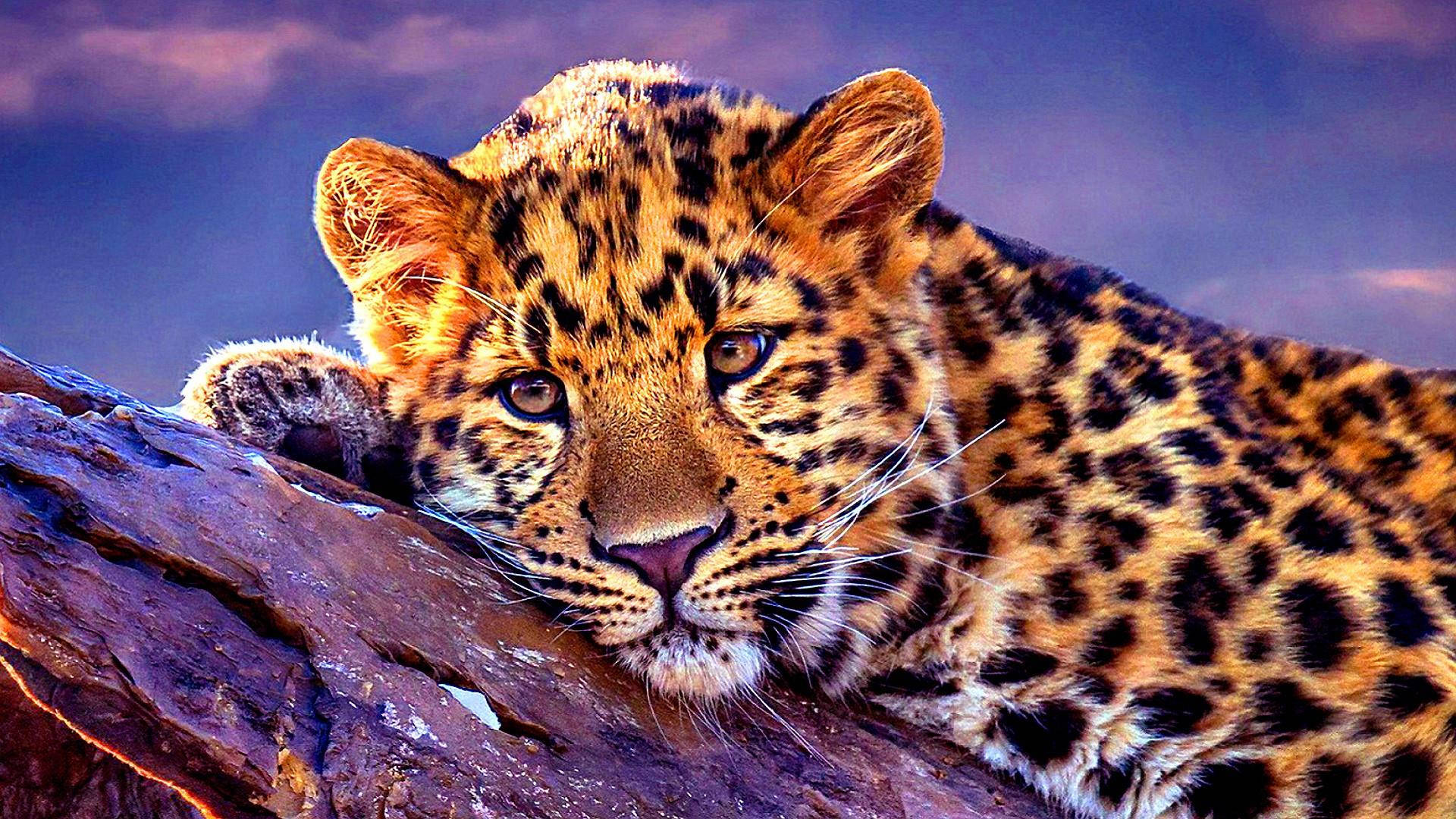
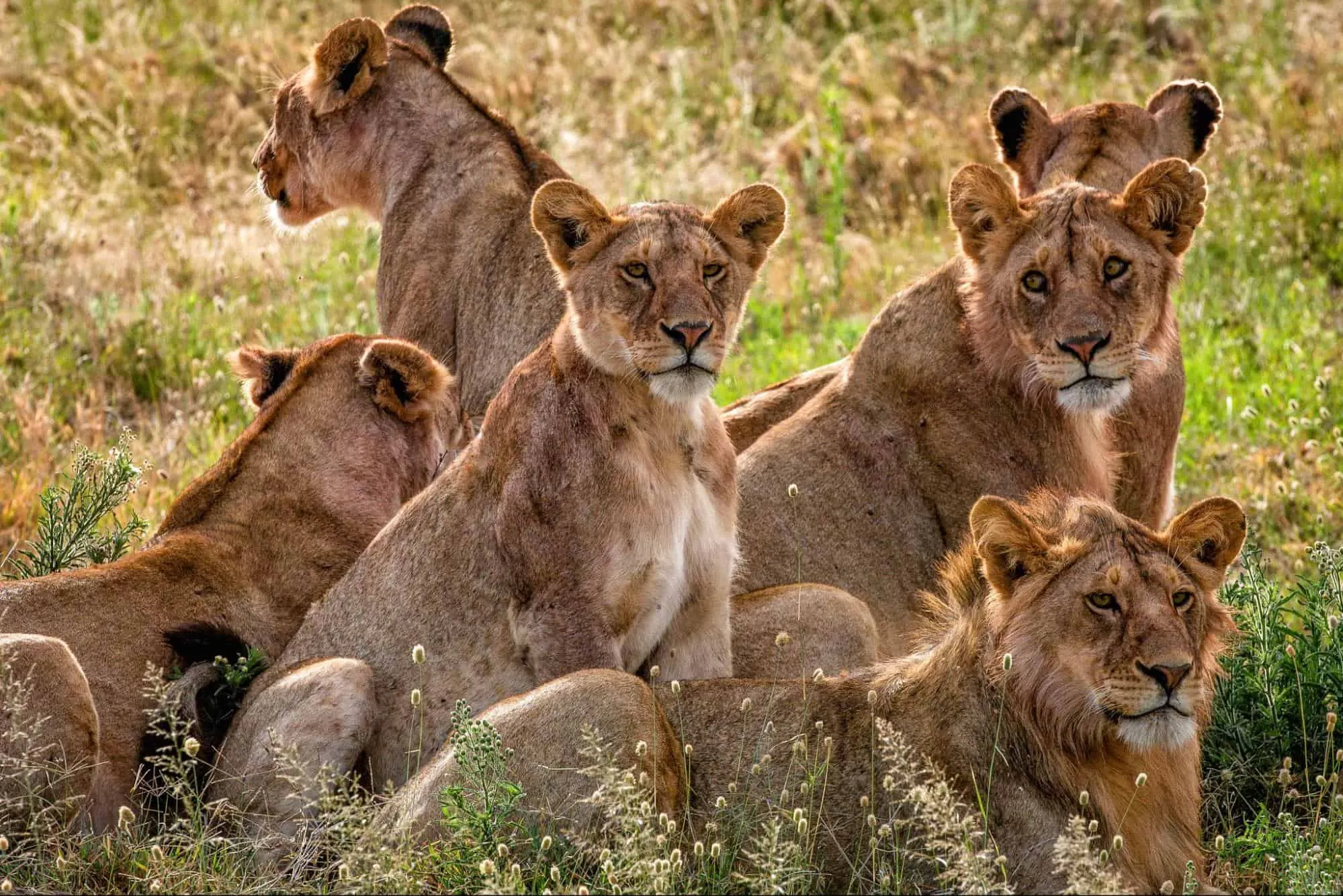
Tree-Climbing Lions: The park is famous for its unusual population of lions that often lounge in acacia trees — a rare behavior among lions.
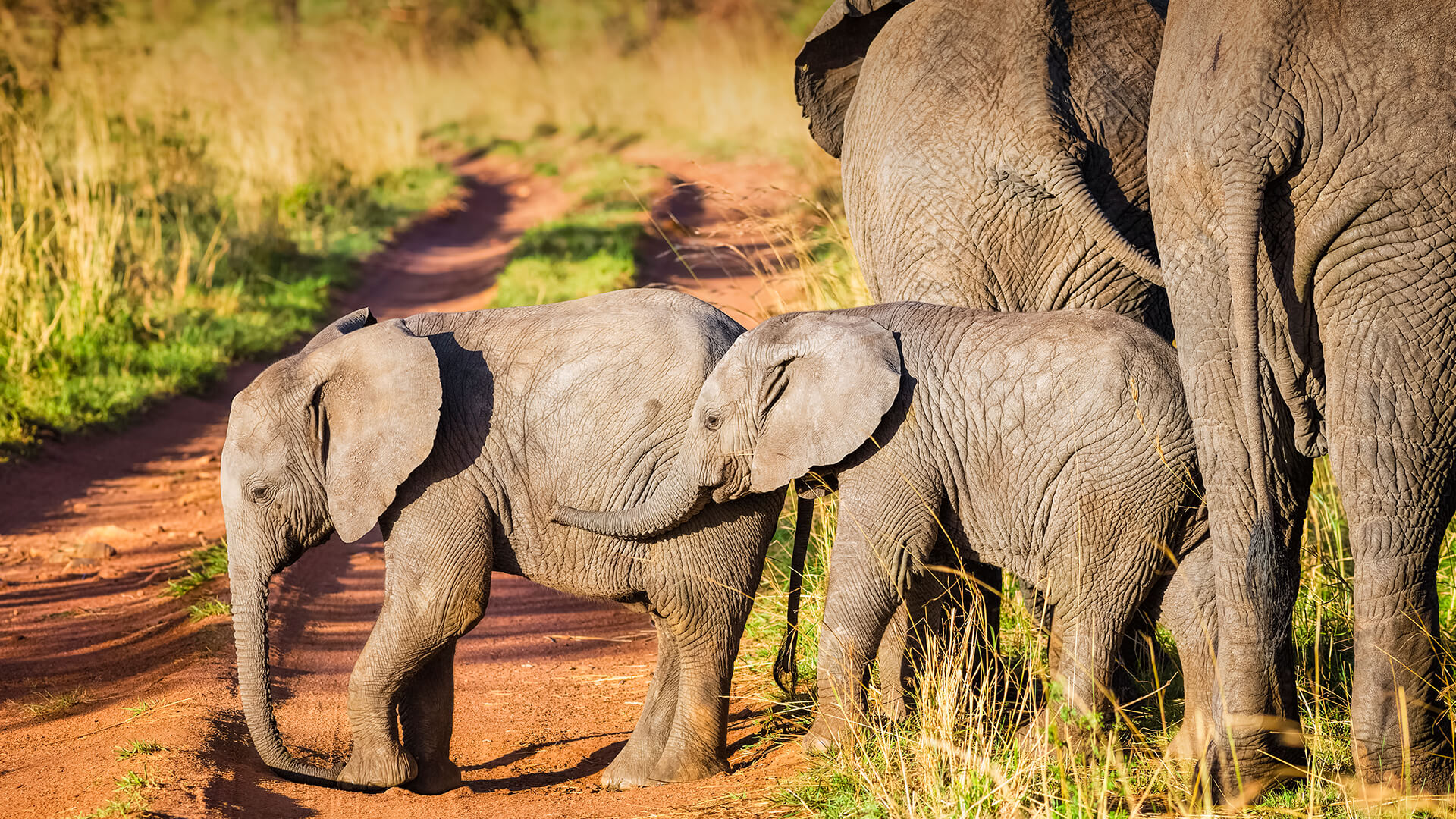
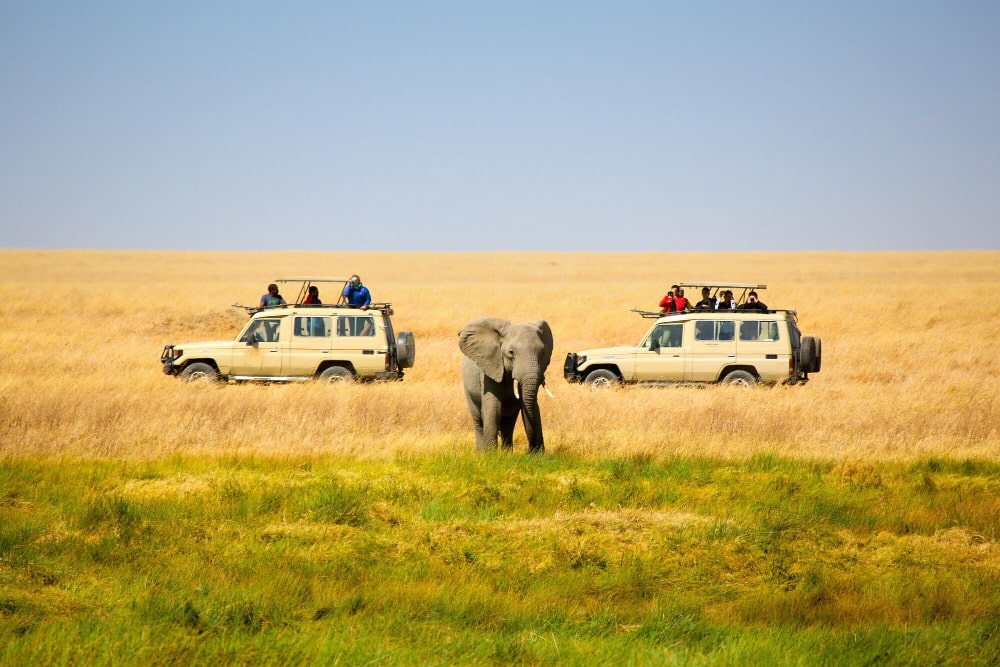
Elephants: Large herds of elephants can be seen roaming the park’s diverse landscapes.
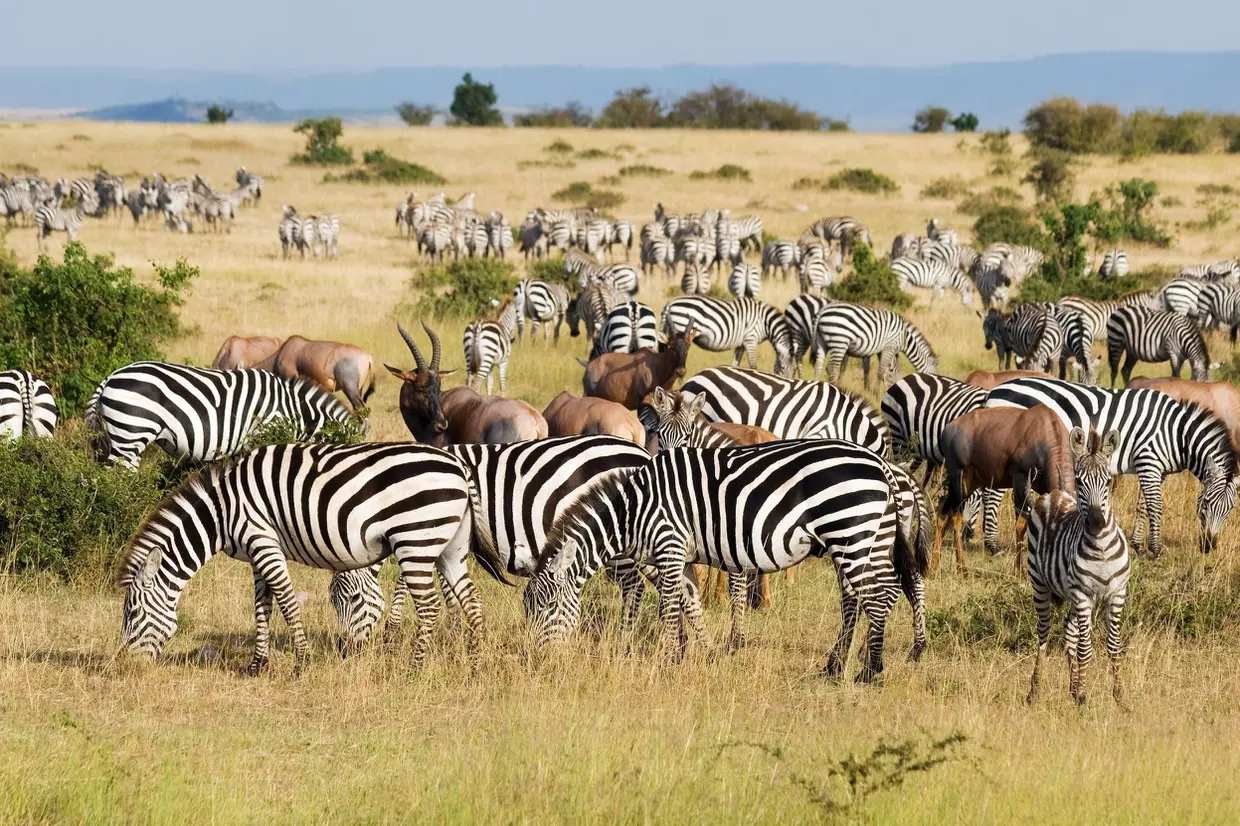
Other Wildlife: Buffaloes, giraffes, zebras, wildebeests, warthogs, impalas, and hippos are commonly spotted. Baboons are especially abundant, and the park is said to have some of the largest baboon troops in Africa.
Rare Species: The park also hosts the shy and elusive klipspringer near the escarpment cliffs and large flocks of flamingos during the wet season.
Birdlife: Lake Manyara is a birdwatcher’s paradise with over 400 bird species recorded, including flamingos, pelicans, storks, cormorants, and crowned eagles.
Attractions
Lake Manyara: The shimmering alkaline lake is the park’s centerpiece and attracts thousands of flamingos and other waterbirds.
Groundwater Forest: A lush, green area fed by underground springs, home to troops of baboons, blue monkeys, and forest antelopes.
Hot Springs (Maji Moto): These natural hot springs produce steaming pools and are surrounded by mineral deposits, offering an interesting landscape contrast.
Rift Valley Escarpment: The dramatic cliffs provide not only breathtaking views but also habitat for various bird species, including raptors.
Hippo Pools: Special viewing areas let you safely observe large groups of hippos wallowing in the water.
Activities
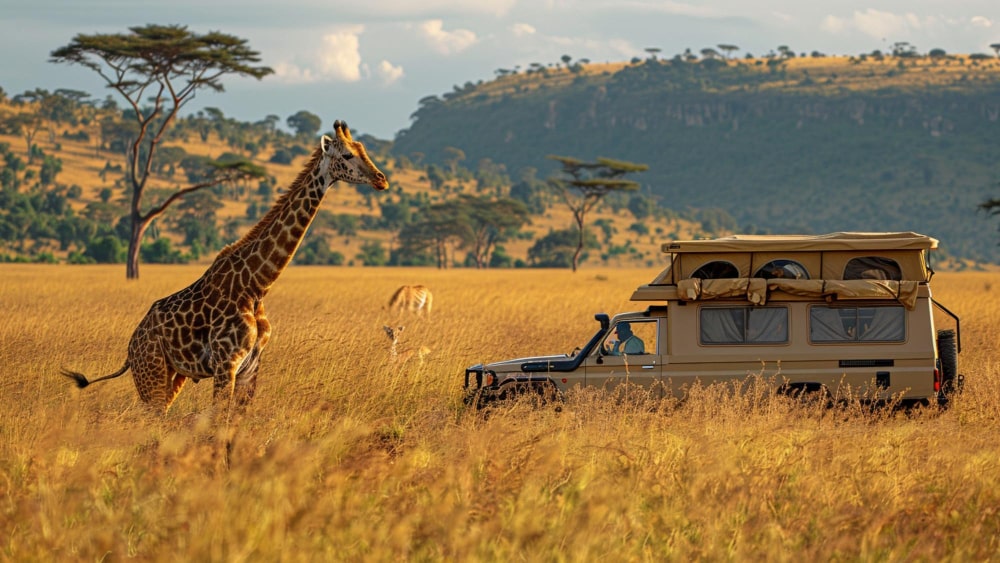
Game Drives: Game drives offer excellent opportunities to view a wide range of wildlife, particularly during the dry season when animals congregate around the lake and open plains.
Canoeing (Seasonal): When water levels are high, canoe safaris on Lake Manyara offer a unique perspective on the park’s wildlife and scenery.
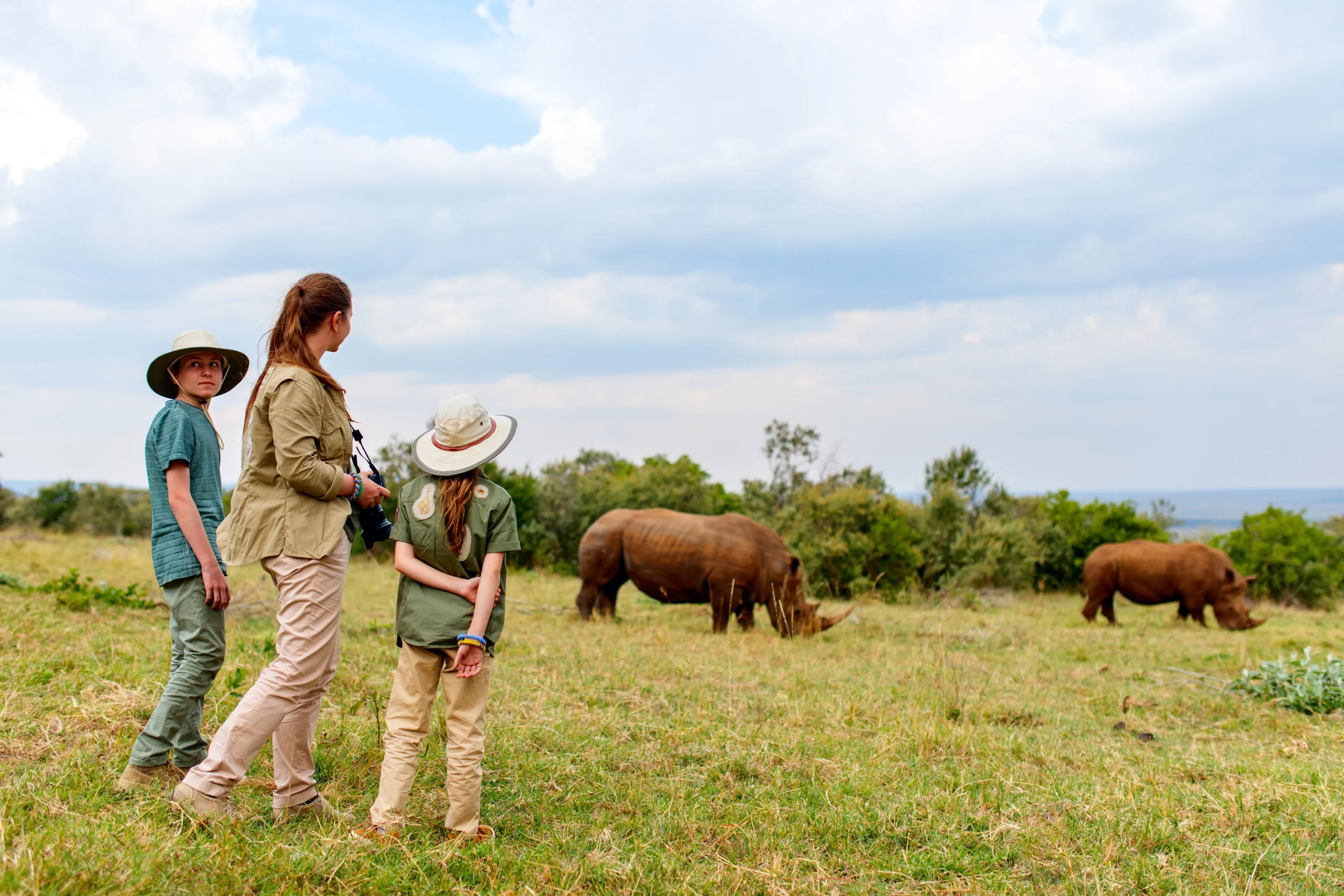
Walking Safaris: Guided walking safaris are available in designated areas, offering a closer look at the park’s flora and fauna.
Bird Watching: Thanks to its rich birdlife, the park is a paradise for bird enthusiasts.
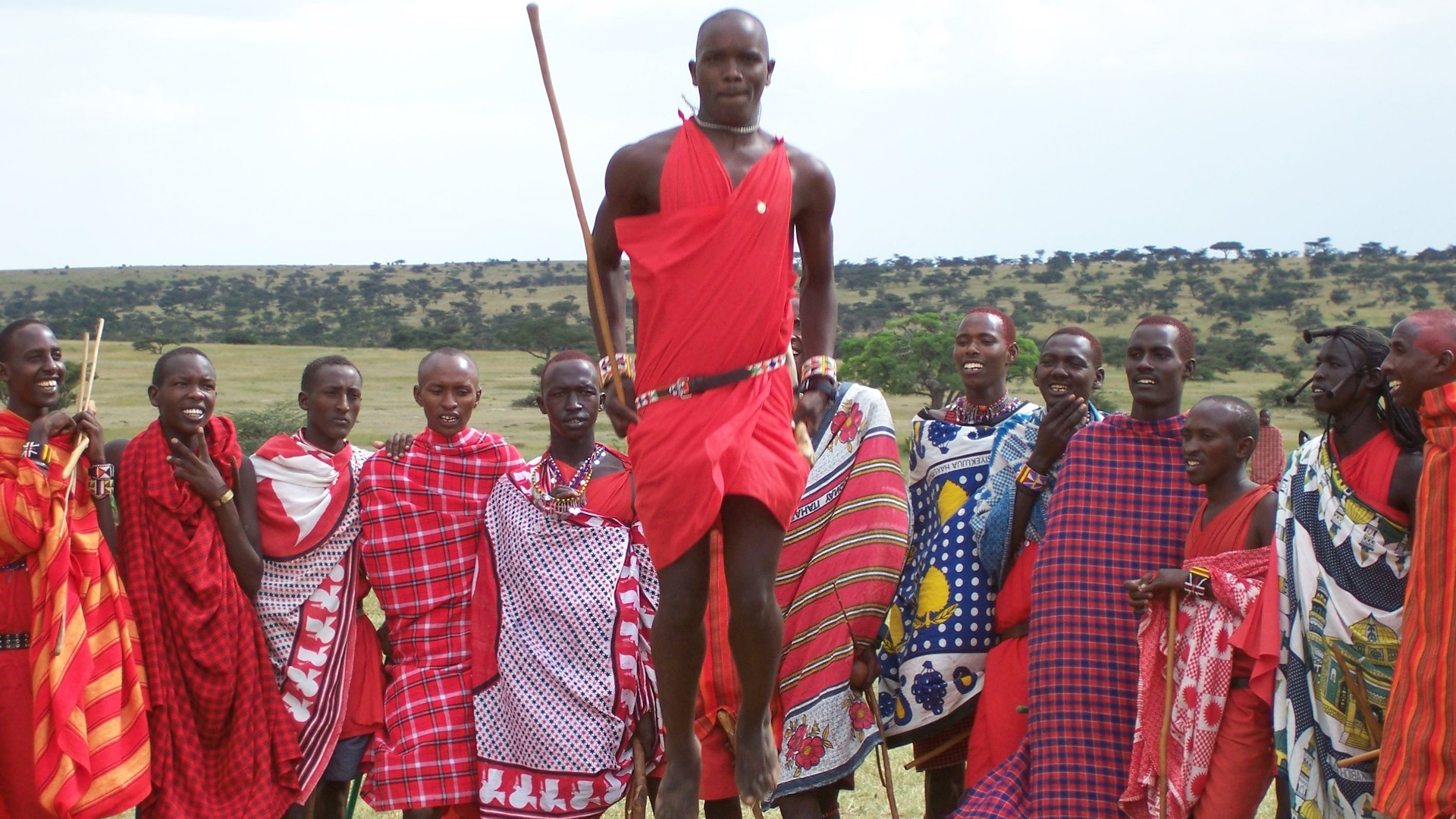
Cultural Tours: Nearby Mto wa Mbu village offers cultural experiences, allowing visitors to learn about local life and traditions.
Accommodation
Luxury Lodges & Camps: Lake Manyara offers luxurious accommodations that blend comfort with beautiful natural settings, such as:
- Lake Manyara Tree Lodge (by &Beyond)
- Escarpment Luxury Lodge
Mid-Range Lodges and Camps: Good mid-range options for comfortable stays include: - Manyara Serena Safari Lodge
- Kirurumu Manyara Lodge
Public Campsites: Budget-friendly camping options are also available for adventurous travelers, offering a true “close-to-nature” experience.
How to Get There
By Road: Lake Manyara National Park is an easy drive from Arusha, taking approximately 1.5 to 2 hours via a well-maintained road. It is often visited en route to the Ngorongoro Crater or Serengeti National Park.
By Air: Flights are available from Arusha and other locations to the Lake Manyara Airstrip, followed by a short drive into the park.
Best Time to Visit
Dry Season (June to October): The best time for wildlife viewing, as animals are more concentrated and the weather is ideal.
Wet Season (November to May): The landscape is lush and green, perfect for birdwatching, and flamingos often flock to the lake during this period.
Conservation and Challenges
Like many protected areas, Lake Manyara faces challenges such as human-wildlife conflict and habitat encroachment. However, the Tanzania National Parks Authority (TANAPA) works actively with local communities and conservation partners to maintain the park’s ecological integrity and promote sustainable tourism.
Conclusion
Lake Manyara National Park is a small but spectacular destination, offering a rich variety of wildlife, breathtaking landscapes, and a peaceful, intimate safari atmosphere. Whether you are seeking to spot the famous tree-climbing lions, marvel at the birdlife, or simply enjoy the stunning Rift Valley scenery, Lake Manyara promises an unforgettable adventure.