
Ngorongoro Crater is one of the most iconic natural wonders in Africa, located in northern Tanzania. It is part of the larger Ngorongoro Conservation Area, a UNESCO World Heritage Site that combines extraordinary wildlife, ancient human history, and breathtaking landscapes. Here is everything you need to know about Ngorongoro Crater:
Location and Size
Location: Ngorongoro Crater lies about 180 kilometers west of Arusha, Tanzania, in the eastern Serengeti Plains within the Ngorongoro Conservation Area.
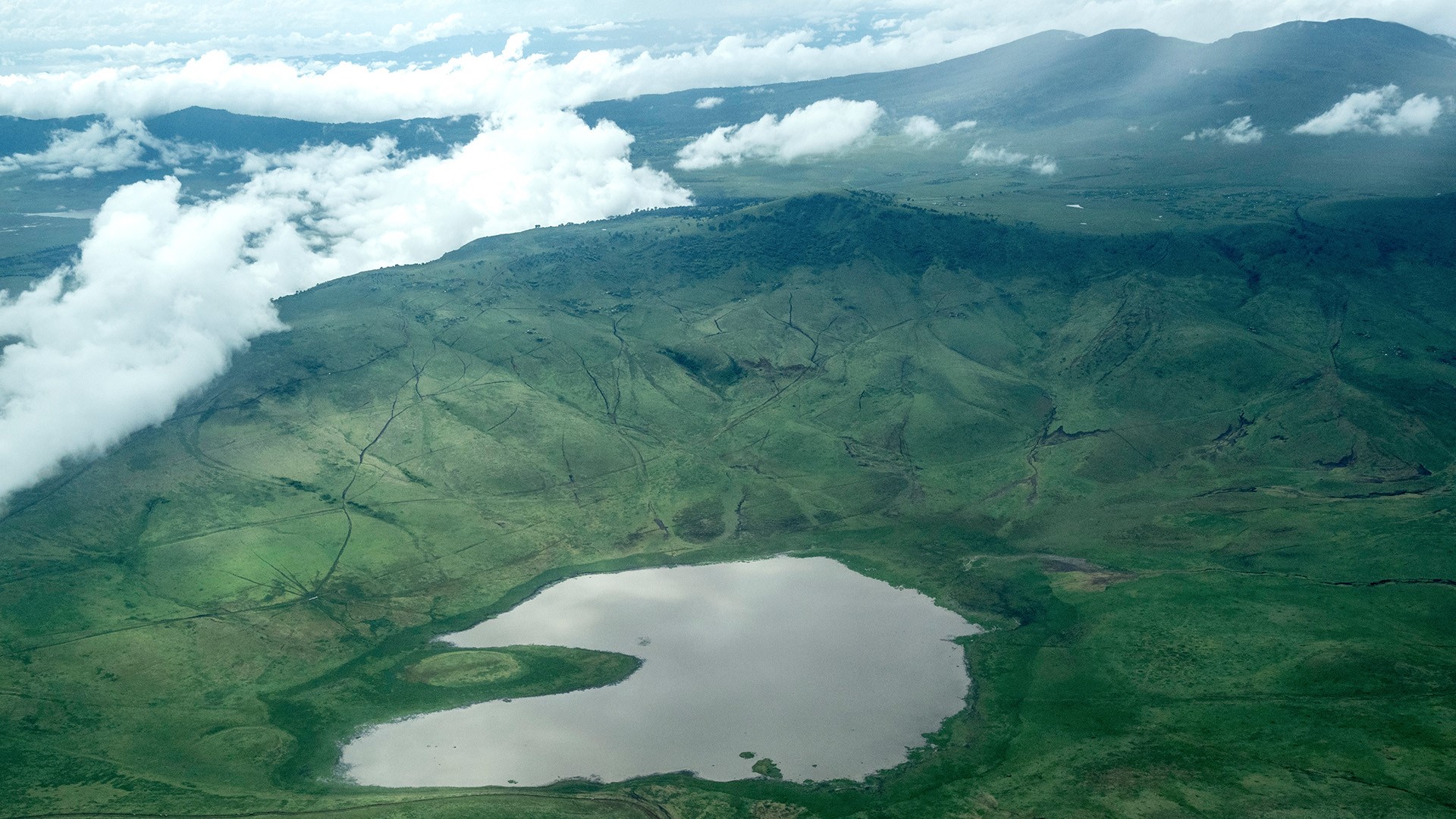
Size: The crater itself spans approximately 260 square kilometers (100 square miles) and measures about 19 kilometers (12 miles) in diameter. It is the world’s largest unbroken, unflooded volcanic caldera.
History and Establishment
Formation: The crater was formed around two to three million years ago when a massive volcano erupted and collapsed inward, creating the vast depression we see today.
Conservation History: The Ngorongoro Conservation Area was established in 1959 to balance the protection of wildlife with the traditional lifestyles of the indigenous Maasai people. It was declared a UNESCO World Heritage Site in 1979 due to its geological significance and rich biodiversity.
Landscape and Terrain
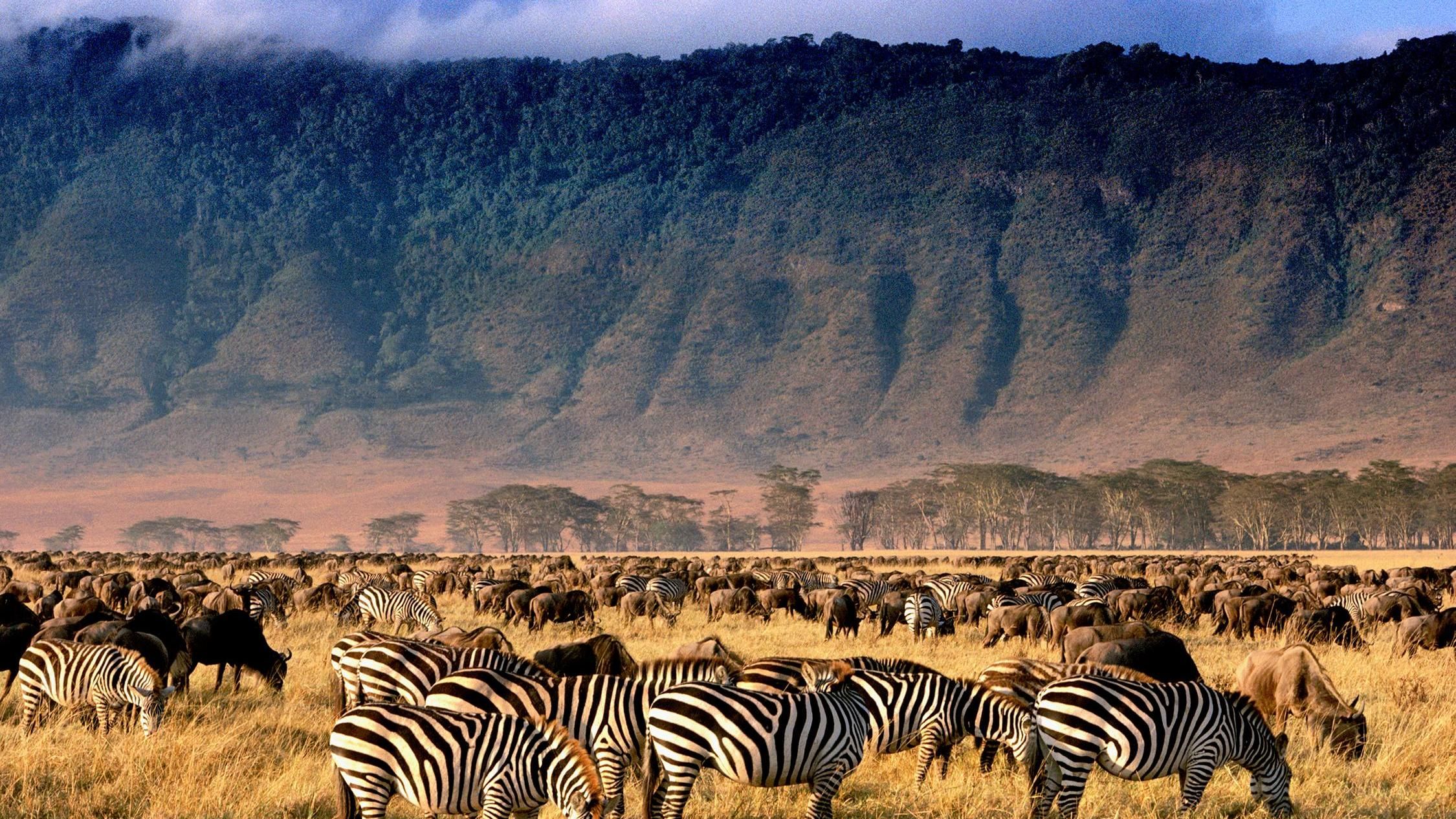
Topography: Ngorongoro Crater’s landscape is characterized by a dramatic mix of grasslands, swamps, forests, and lakes, surrounded by steep crater walls rising up to 600 meters (2,000 feet) high.
Lakes and Rivers: The seasonal Lake Magadi in the center of the crater and permanent water sources like the Munge River provide critical hydration for the abundant wildlife.
Climate: The crater experiences a mild climate due to its elevation, with cool mornings and evenings. The dry season runs from June to October, while the rainy season spans November to May.
Wildlife
Ngorongoro Crater is often referred to as a “natural wildlife sanctuary,” offering some of the most spectacular game viewing opportunities in Africa.
The Big Five: The crater is home to all of Africa’s Big Five — lions, elephants, leopards, buffaloes, and black rhinos.
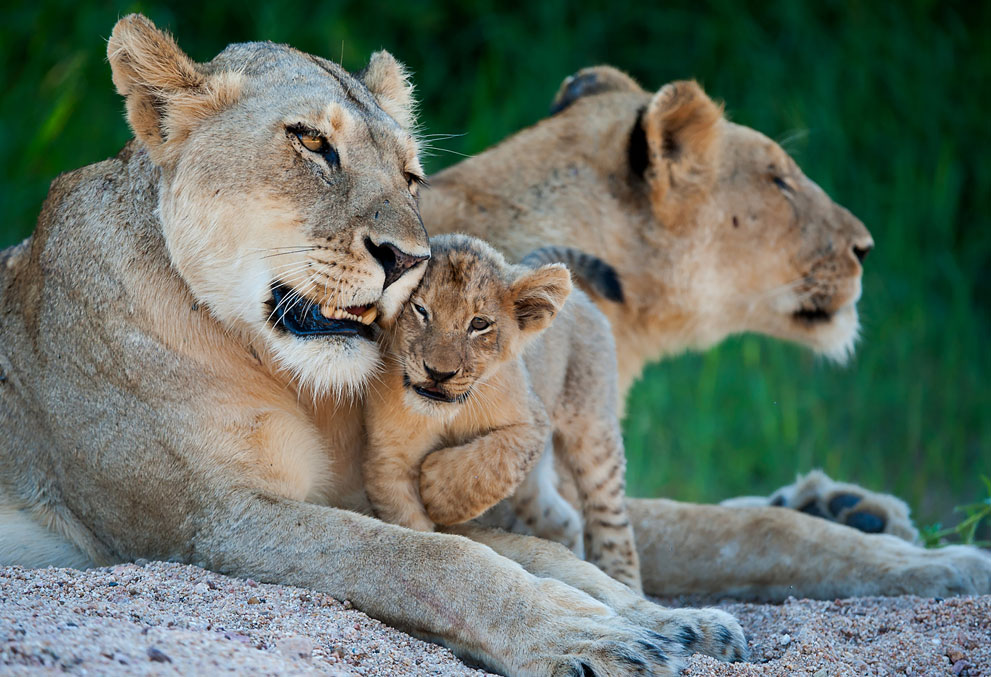
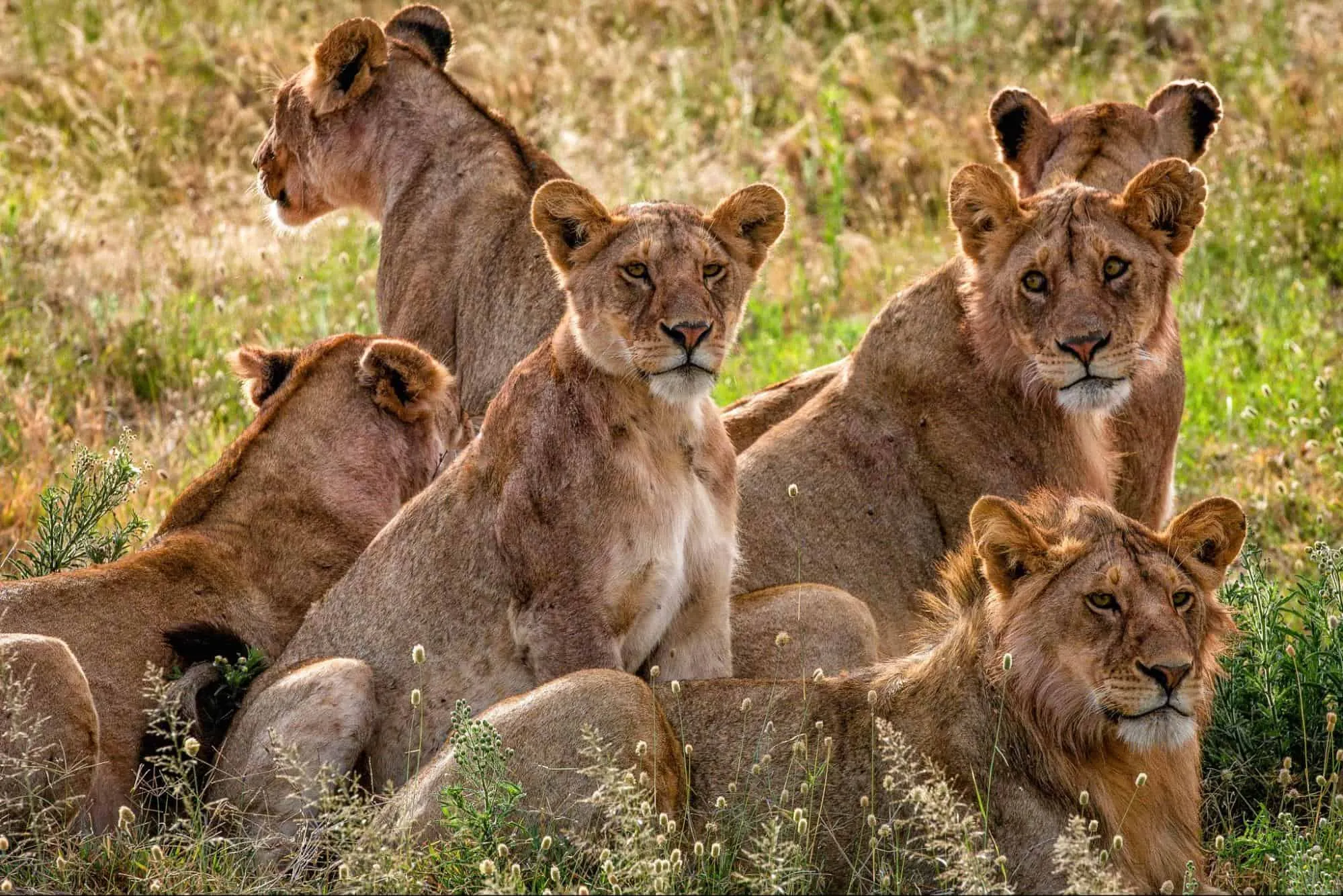
Lions: Ngorongoro boasts a high concentration of lions, known for their impressive size and dominance.
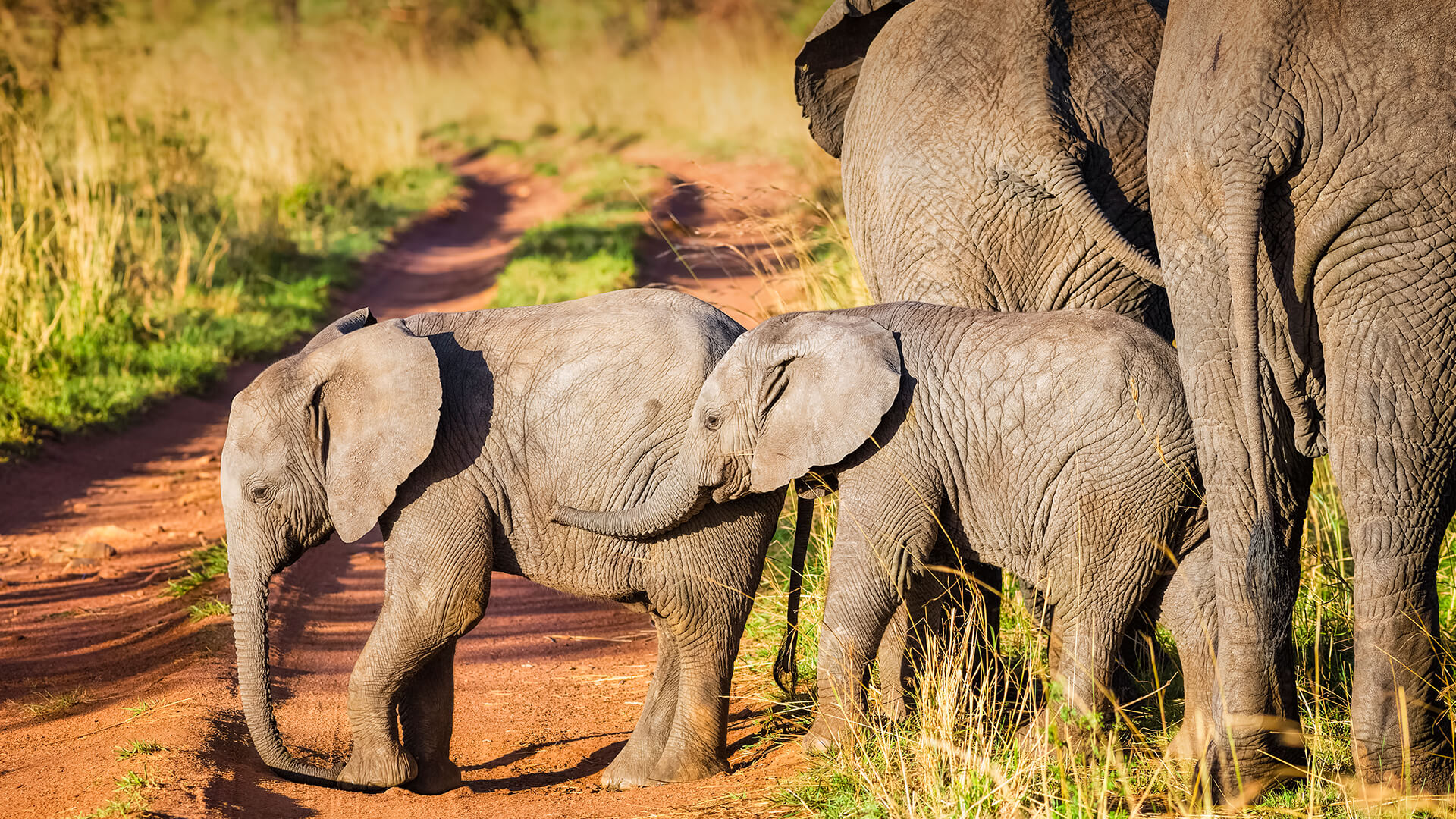
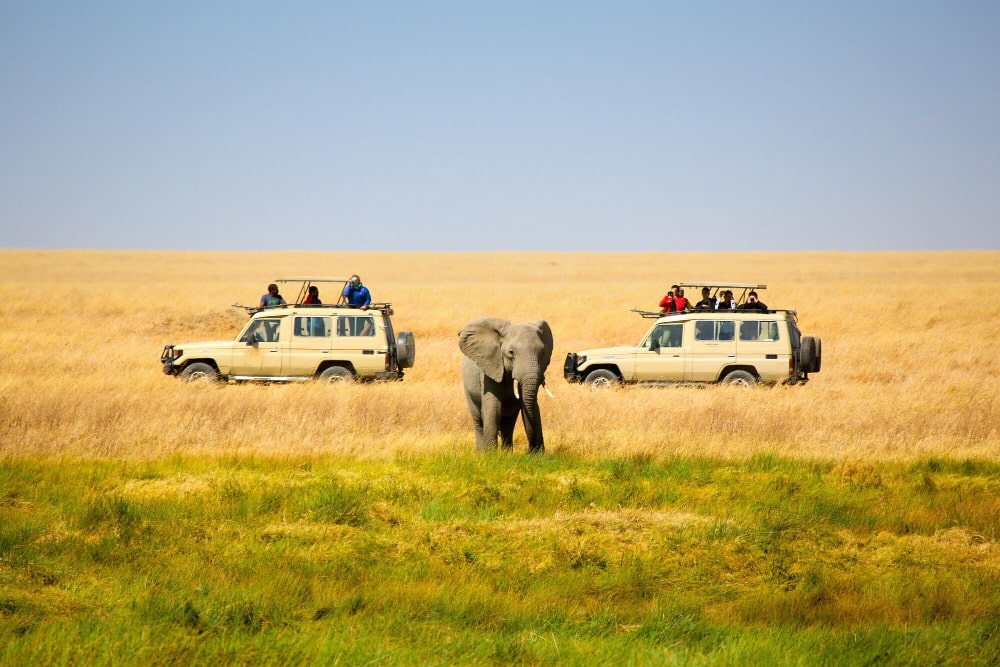
Elephants: Large bull elephants with massive tusks are commonly seen, although the crater’s elephant population tends to be mostly older males.
Rhinos: Ngorongoro is one of the best places in Tanzania to see the endangered black rhinoceros in the wild.
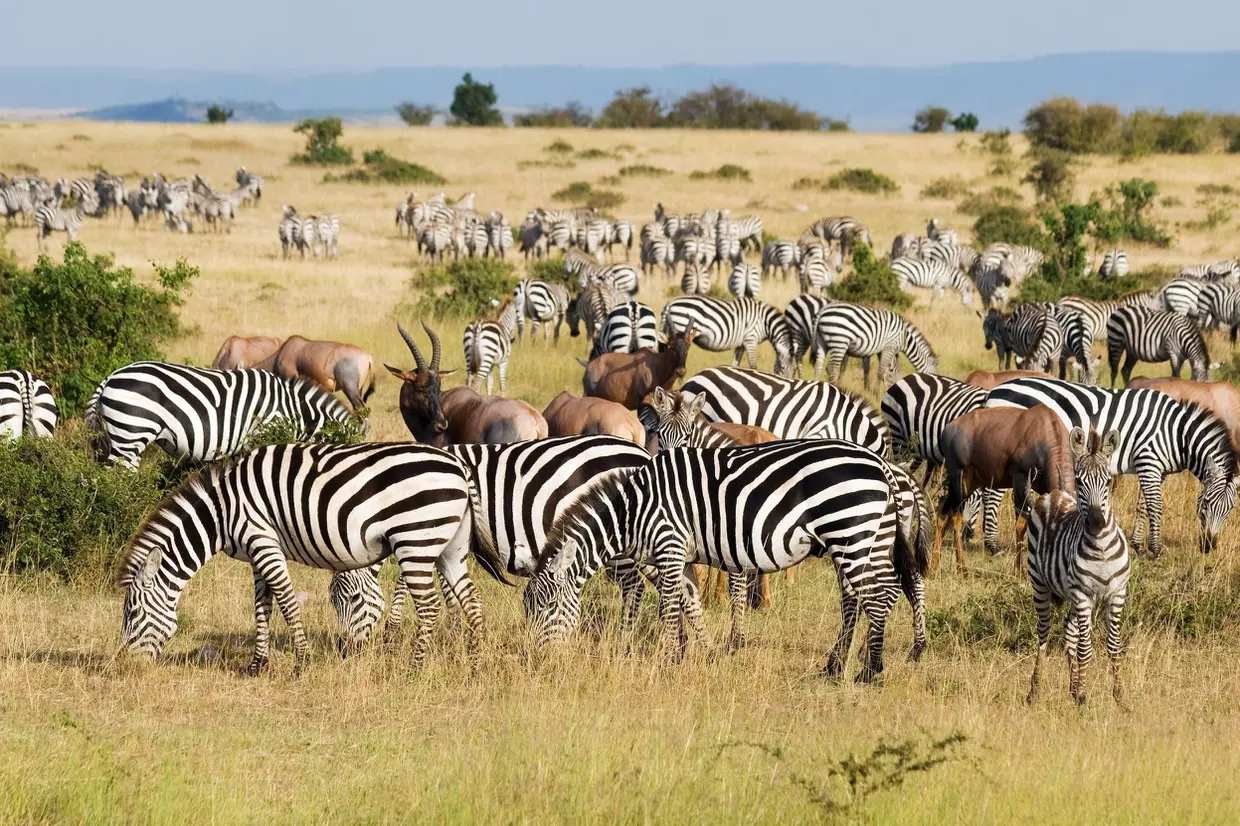
Other Wildlife: Visitors can also spot cheetahs, hyenas, wildebeests, zebras, gazelles, hippos, and a wide variety of antelope species within the crater walls.
Birdlife: With over 500 recorded species, Ngorongoro is a birdwatcher’s paradise. Notable species include flamingos around Lake Magadi, ostriches, crowned cranes, and various raptors.
Attractions
Empakaai and Olmoti Craters: Nearby craters within the conservation area offer scenic hiking opportunities and further exploration of the region’s volcanic history.
Olduvai Gorge: Often called the “Cradle of Mankind,” this archaeological site near Ngorongoro Crater is where some of the oldest human fossils have been found.
Maasai Villages: Visitors can learn about the Maasai culture and traditions through cultural tours of traditional Maasai bomas (villages) within the conservation area.
Activities
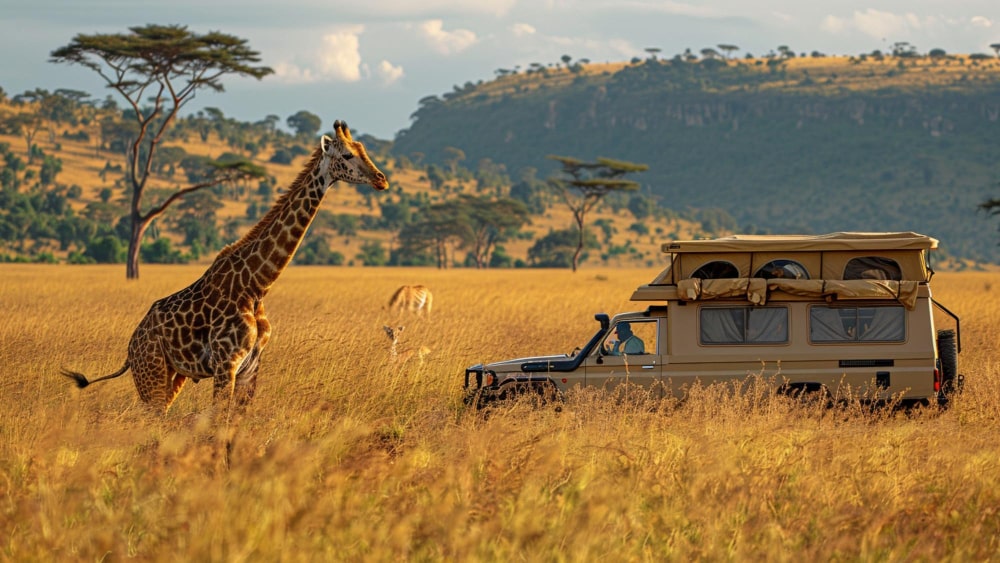
Game Drives: The main activity inside the crater, offering the chance to see a variety of animals up close in a spectacular setting. Morning game drives are especially popular for catching predators in action.
Bird Watching: The combination of lakes, grasslands, and forests attracts a diverse range of bird species year-round.
Cultural Tours: Engage with the Maasai communities to understand their traditions, cattle herding lifestyles, and conservation efforts.
Photography: With its stunning landscapes and abundant wildlife, Ngorongoro is a dream destination for photographers.
Accommodation
Luxury Lodges & Camps: There are numerous upscale lodges and tented camps around the crater rim, offering incredible panoramic views. Some popular options include:
- Ngorongoro Crater Lodge
- The Highlands Ngorongoro
- Neptune Ngorongoro Luxury Lodge
Mid-Range and Budget Options: There are also mid-range lodges and public campsites available for travelers with different budgets, such as: - Rhino Lodge
- Ngorongoro Wildlife Lodge
- Simba Campsite
How to Get There
By Road: Ngorongoro Crater is easily accessible from Arusha by road, a journey of about 3-4 hours via well-maintained highways and scenic routes through the Great Rift Valley.
By Air: There are scheduled flights from Arusha and other major cities to the Lake Manyara airstrip, followed by a short drive to Ngorongoro.
Best Time to Visit
Dry Season (June to October): This is considered the best time for game viewing, as animals are more easily spotted in the open landscapes and near water sources.
Green Season (November to May): While there may be some rain, the scenery is lush and beautiful, and this is the calving season for many animals, offering unique wildlife experiences.
Conservation and Challenges
Ngorongoro faces challenges like human-wildlife conflict, habitat pressure from growing Maasai populations, and climate change impacts. The Ngorongoro Conservation Area Authority (NCAA) and international conservation partners work diligently to protect this unique ecosystem and support sustainable development for local communities.
Conclusion
Ngorongoro Crater offers an unparalleled safari experience, blending stunning natural beauty, dense wildlife populations, rich human history, and vibrant cultures. Whether you are a first-time visitor to Africa or a seasoned traveler, a visit to Ngorongoro promises unforgettable memories and a deep connection with one of the planet’s most extraordinary landscapes.